
Join a Culips speaking class!
Practice real English conversations with our teachers and students from around the world. Build fluency fast through live speaking practice.
See Class Schedule
Sugar Shack (Cabane à Sucre)
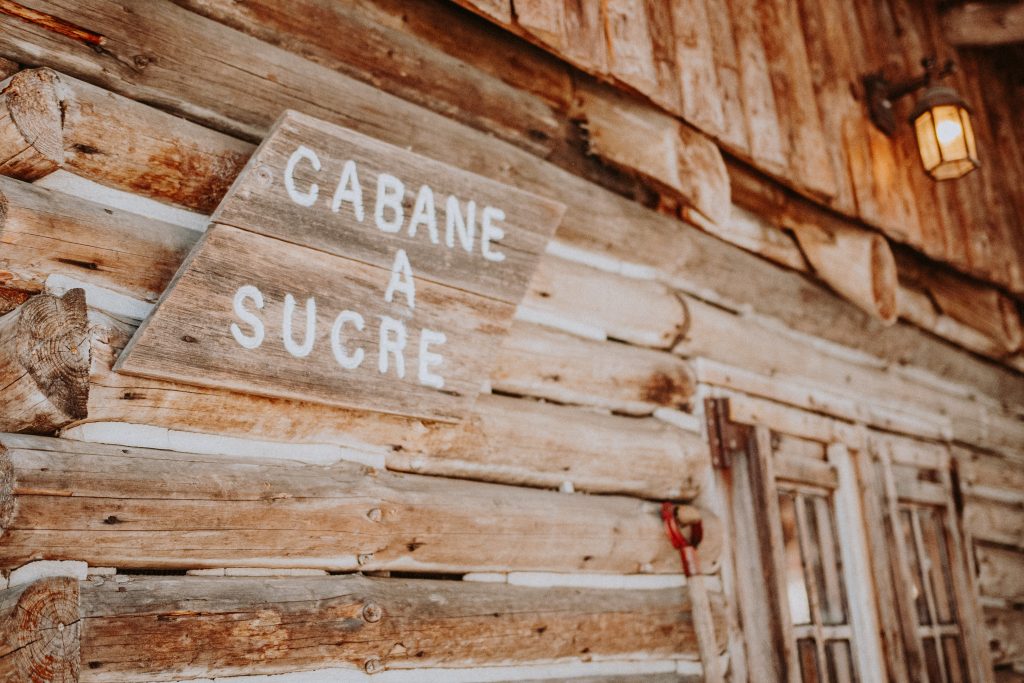
When people think of Canada, one of the first things that comes to mind is maple syrup. Canada’s maple syrup industry in mostly in the eastern part of the country, and I was raised out west (in the provinces of British Columbia and Alberta), so I didn’t grow up knowing very much about maple syrup, other than that I enjoyed it on my pancakes! I have to be honest, even though I had seen some pictures of how maple syrup is made, I really thought that the sap taken from the trees was the same delicious syrup that went on my pancakes!
Since moving east to the province of Quebec a couple of years ago, I’ve learned a lot more about maple syrup and tasted some amazing samples. I’m not an expert on how maple syrup is made, so I won’t explain it in too much detail, but basically it requires a lot of boiling and heating to remove the water from the sap, until it becomes maple syrup. I’ve tasted the sap that comes directly from the tree and it tastes like water with just a bit of sweetness.
Although sugar shack is the English name for the place where sap is collected and made into maple syrup, most people in Quebec, whether they’re speaking French or English, refer to these places by the French name: cabane à sucre. Many of my Quebecois friends have told me stories of their memories of going to a sugar shack in the spring with all of their family and eating a lot of traditional food, almost all of it with a bit of maple syrup. It’s traditional to visit sugar shacks in the early spring because this is when the sap is flowing and can most easily be made into maple syrup.
This year, I visited a sugar shack for the very first time! I was really lucky because I went to a very traditional sugar shack with a Quebecois friend. It’s the same place his family has been going to for the last 35 years! It was a wonderful experience, as I got to eat a lot of delicious food and also practice my French (most of my friend’s family only speaks French).
I’ve included some pictures here of the visit, taken by my friend Adrian. As you can see, he’s a wonderful photographer. Adrian and his wife are both originally from Romania (they moved to Canada last year) and not only was this their first visit to a sugar shack, but their first time ever trying maple syrup! They loved it.
Harp
Culips ESL Podcast
Sugar Shack (Cabane à Sucre)
[gallery columns="1" size="large" ids="15030"] When people think of Canada, one of the first things that comes to mind is maple syrup. Canada’s maple syrup industry in mostly in the eastern part of the country, and I was raised out west (in the provinces of British Columbia and Alberta), so I didn’t grow up knowing very much about maple syrup, other than that I enjoyed it on my pancakes! I have to be honest, even though I had seen some pictures of how maple syrup is made, I really thought that the sap taken from the trees was the same delicious syrup that went on my pancakes! Since moving east to the province of Quebec a couple of years ago, I’ve learned a lot more about maple syrup and tasted some amazing samples. I’m not an expert on how maple syrup is made, so I won’t explain it in too much detail, but basically it requires a lot of boiling and heating to remove the water from the sap, until it becomes maple syrup. I’ve tasted the sap that comes directly from the tree and it tastes like water with just a bit of sweetness. Although sugar shack is the English name for the place where sap is collected and made into maple syrup, most people in Quebec, whether they’re speaking French or English, refer to these places by the French name: cabane à sucre. Many of my Quebecois friends have told me stories of their memories of going to a sugar shack in the spring with all of their family and eating a lot of traditional food, almost all of it with a bit of maple syrup. It’s traditional to visit sugar shacks in the early spring because this is when the sap is flowing and can most easily be made into maple syrup. This year, I visited a sugar shack for the very first time! I was really lucky because I went to a very traditional sugar shack with a Quebecois friend. It’s the same place his family has been going to for the last 35 years! It was a wonderful experience, as I got to eat a lot of delicious food and also practice my French (most of my friend’s family only speaks French). I’ve included some pictures here of the visit, taken by my friend Adrian. As you can see, he’s a wonderful photographer. Adrian and his wife are both originally from Romania (they moved to Canada last year) and not only was this their first visit to a sugar shack, but their first time ever trying maple syrup! They loved it. Harp Culips ESL Podcast
Popular Podcasts
Frequently Asked Questions
Find answers to common questions about our English learning platform.
- They are Canadian and American
- Have master’s degrees and work in professions related to English education (Andrew is a university English professor, Suzanne is a pronunciation coach and voice actor, and Morag is a writer).
- Actively study second languages as adults. Our team understands the ups and downs of studying foreign languages as adults who live busy lives.
