
Join a Culips speaking class!
Practice real English conversations with our teachers and students from around the world. Build fluency fast through live speaking practice.
See Class Schedule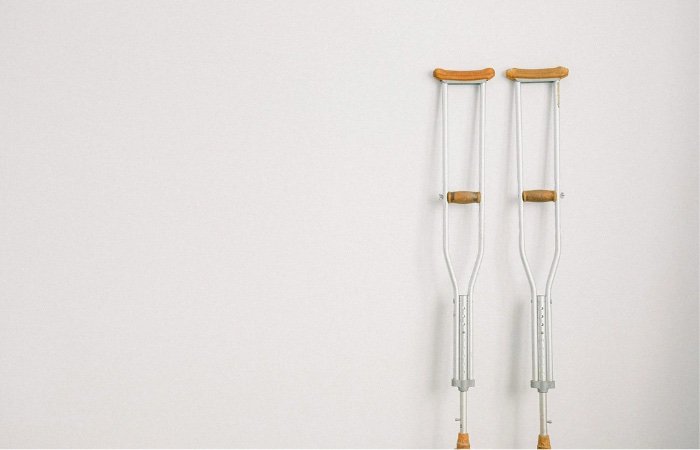
Simplified Speech #215 – Indiana’s operation
In this episode, you’ll hear Andrew and Indiana talk about Indiana’s recent surgery and recovery. They use real-life English to discuss medical vocabulary, including words like “cartilage” and “labrum,” and explain how to describe pain and injuries. Indiana shares her experience of getting a diagnosis, deciding on surgery, and going through recovery. This is a great opportunity for you to learn medical terms in context, improve your listening skills, and hear how native speakers talk about health and personal experiences.


How this episode will improve your English:
- Vocabulary: Learn useful medical terms like cartilage, anesthesia, and physical therapy to talk about injuries and treatments.
- Listening: Train your ears to understand natural English as Andrew and Indiana discuss healthcare, pain management, and exercise.
- Speaking: Build confidence by joining small-group English classes by practicing how to talk about personal experiences, ask about someone’s health, and describe medical issues.
- Culture: Compare different healthcare systems and understand how medical treatments work in different countries.
- Fluency: Exposure to real conversations will help you think in English and express yourself more easily.
The Best Way to Learn with This Episode:
- Culips members get an interactive transcript, helpful study guide, and ad-free audio for this episode. Take your English to the next level by becoming a Culips member. Become a Culips member now: Click here.
- Members can access the ad-free version here: Click here.
- Join our Discord community to connect with other learners and get more English practice. Click here to join.
- Watch the video version of this episode on YouTube.
Podcast: Play in new window | Download
Simplified Speech #215 – Indiana’s operation
In this episode, you’ll hear Andrew and Indiana talk about Indiana’s recent surgery and recovery. They use real-life English to discuss medical vocabulary, including words like “cartilage” and “labrum,” and explain how to describe pain and injuries. Indiana shares her experience of getting a diagnosis, deciding on surgery, and going through recovery. This is a great opportunity for you to learn medical terms in context, improve your listening skills, and hear how native speakers talk about health and personal experiences.
- Vocabulary: Learn useful medical terms like cartilage, anesthesia, and physical therapy to talk about injuries and treatments.
- Listening: Train your ears to understand natural English as Andrew and Indiana discuss healthcare, pain management, and exercise.
- Speaking: Build confidence by joining small-group English classes by practicing how to talk about personal experiences, ask about someone’s health, and describe medical issues.
- Culture: Compare different healthcare systems and understand how medical treatments work in different countries.
- Fluency: Exposure to real conversations will help you think in English and express yourself more easily.
- Culips members get an interactive transcript, helpful study guide, and ad-free audio for this episode. Take your English to the next level by becoming a Culips member. Become a Culips member now: Click here.
- Members can access the ad-free version here: Click here.
- Join our Discord community to connect with other learners and get more English practice. Click here to join.
- Watch the video version of this episode on YouTube.
Sign in to access Detailed Explanations
Sign inSign in to access Listening Comprehension Quiz
Sign inSign in to access Writing & Discussion Questions
Sign inSign in to access Quiz
Sign in- Addiction – When you can’t stop using something harmful, like a drug.
- Anesthesia – Medicine that makes you feel no pain during surgery.
- Anti-inflammatory – Medicine that reduces swelling and pain.
- Arthritis – A disease that makes joints swollen and painful.
- Bedridden – Stuck in bed because of illness or surgery.
- Bone shaving – Removing a small part of a bone to fix a problem.
- Bureaucracy – Complicated rules and paperwork, often in government or insurance.
- Cartilage – Soft, flexible tissue that cushions bones.
- Crutches – Special sticks that help you walk if you are injured.
- Deductible – The amount of money you must pay before insurance helps.
- Deformity – A part of the body that is shaped differently than usual.
- Diagnosis – Finding out what illness or injury you have.
- Gait – The way someone walks or runs.
- General anesthesia – Medicine that makes you completely asleep during surgery.
- Gynecologist – A doctor who specializes in women’s health.
- Health care provider – A hospital or doctor that gives medical care.
- Hip socket – The part of your hip where the leg bone connects.
- Ibuprofen – A common pain medicine (like Advil).
- Inflammation – Swelling and redness in the body caused by an injury.
- Injection – A shot with a needle.
- Injury – Damage to the body.
- Insurance – A service that helps pay medical bills.
- Invoice – A list of charges for medical care.
- IV drip – A tube that slowly puts medicine or fluids into your veins.
- Labrum – A ring of soft tissue that cushions the hip joint.
- Local anesthetic – Medicine that numbs only one area of the body.
- MRI (Magnetic Resonance Imaging) – A special scan that shows inside the body.
- Muscle loss – When muscles become weak from not being used.
- Opioid – A strong pain medicine that can be addictive.
- Operation – Another word for surgery.
- Orthopedic doctor – A doctor who treats bone and joint problems.
- Painkillers – Medicine that reduces pain.
- Pain management – Ways to control pain after an injury or surgery.
- Physical therapist – A specialist who helps people recover movement.
- Physical therapy – Special exercises to help the body heal.
- Post-op – Post operation. The period after surgery.
- Private insurance – Health insurance that is not run by the government.
- Procedure – A medical treatment or test.
- Range of motion – How much a joint can move.
- Rehabilitation – The process of recovering from an injury or surgery.
- Second opinion – Getting advice from another doctor to be sure of a diagnosis.
- Sedation – Medicine that makes you calm or sleepy.
- Sedative – A drug that helps you relax or sleep.
- Surgery – A medical operation to fix a problem.
- Swelling – When a body part gets bigger due to injury.
- Tendonitis – Pain and swelling in a tendon (the tissue that connects muscle to bone).
- Treatment – Medical care to help heal an illness or injury.
- Unconscious – Not awake, often due to medicine or injury.
Popular Podcasts
Frequently Asked Questions
Find answers to common questions about our English learning platform.
- They are Canadian and American
- Have master’s degrees and work in professions related to English education (Andrew is a university English professor, Suzanne is a pronunciation coach and voice actor, and Morag is a writer).
- Actively study second languages as adults. Our team understands the ups and downs of studying foreign languages as adults who live busy lives.
